
Rugs
Shop floor rugs in Melbourne — wool, textured and flatweave designs sized for living and dining rooms. See them in store across 5 showrooms.
30 products


Frequently Asked Questions
Buying Rugs in Melbourne
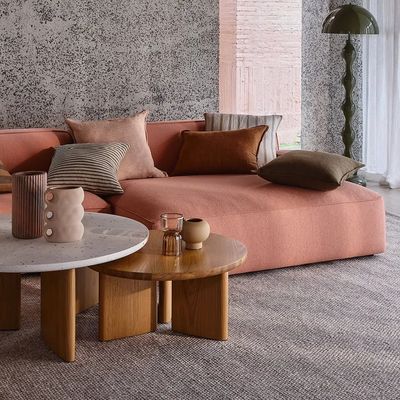
A rug is the one piece of décor that changes how a room sounds as well as how it looks. On the polished boards and tiles common across Melbourne homes, a rug absorbs echo, warms the floor through winter and draws a seating group into a defined zone instead of leaving furniture floating in an open-plan space. Our rug range is chosen around the furniture we sell — wool and wool-blend piles for lounge rooms, tight flatweaves for dining rooms and hallways, and textured neutrals that sit quietly under a strong sofa or table. The decisions that matter with rugs are size, pile and colour under real light, in that order, and all three are far easier to judge with a rug rolled out on the floor in front of you than from a photograph.
Getting the Rug Size Right
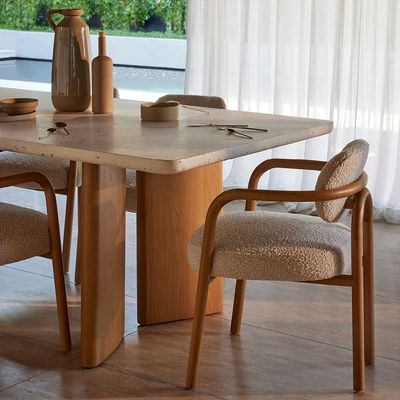
Undersizing is the mistake we correct most often. A rug that only sits between the sofa and the coffee table reads as a mat and visually shrinks the room. The rule worth following in a living room is that the front legs of every seat in the group — sofa, armchairs, ottoman — land on the rug, which for a three seater plus two chairs usually means 2.4m x 3.3m or larger. In a dining room the measure is different: allow at least 60cm of rug past every edge of the table so the back legs of a chair stay on the rug when someone pushes out, otherwise the chair catches on the edge every time. Bedrooms are more forgiving — either a single large rug extending past the foot and both sides of the bed, or two runners either side. Measure the room, mark the intended rug footprint on the floor with masking tape and live with it for a day before ordering. Our showroom team can size a rug against your measurements, or against the sofa you are buying at the same time.
Pile, Fibre and Everyday Practicality
Pile height decides how a rug lives with your household more than the pattern does. High and plush piles feel best underfoot and suit bedrooms and formal lounges where traffic is light. Low-pile and flatweave rugs are the practical answer for dining rooms, hallways, homes with dogs and rooms with a robot vacuum — they shed less, release crumbs, don't crush under table legs and dry quickly after a spill. Wool is the fibre we recommend where budget allows: it is naturally resilient, springs back after furniture has been sitting on it and holds colour without dulling. Wool blends and quality synthetics have caught up considerably on stain resistance and are the sensible choice under a dining table or in a family room with small children. Natural fibres such as jute bring texture and an organic warmth alongside timber and stone furniture, though they are firmer underfoot and less comfortable in a bedroom. Tell our team where the rug is going and who lives in the house, and we will steer you to the fibres that will still look right in five years.
Colour, Pattern and Working With What You Own
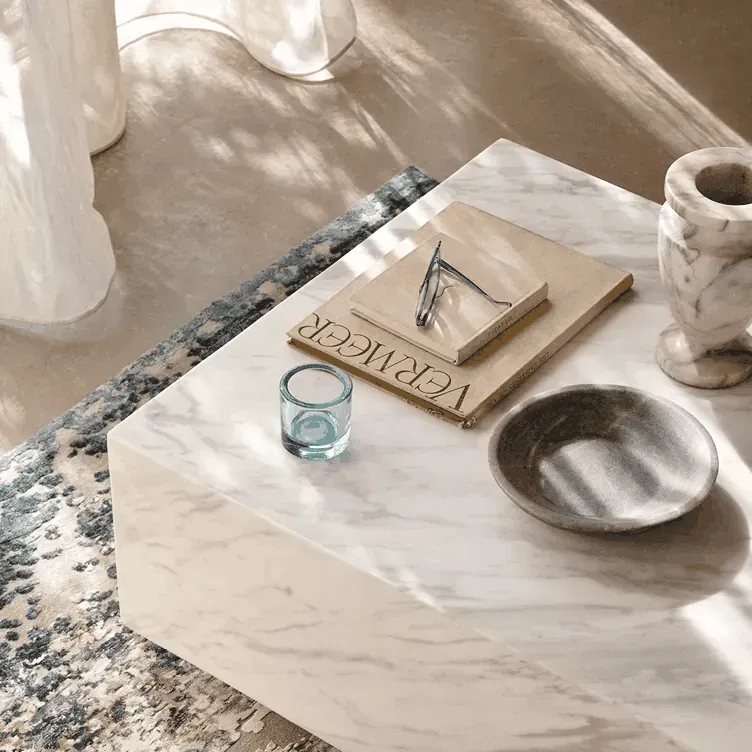
Rug colour behaves differently in a showroom than in your lounge room, because Melbourne light changes dramatically between a north-facing room in February and a south-facing room in July. Cool greys can read blue under southern light; warm creams can look yellow against cool-toned floorboards. The safest approach is to pick up a secondary tone already in the room — the timber of the dining table, the frame of an armchair, the warmth in a leather lounge — rather than trying to match the dominant colour exactly. A patterned rug works hardest in a room where the upholstery is plain, and it hides everyday wear far better than a flat pale colour. If your sofa is patterned or your room already carries a strong stone or marble surface, a textured neutral will settle the room instead of competing with it. Photograph the room in daylight before you visit — it takes thirty seconds and gives our team something concrete to work from.
Underlay, Care and Making a Rug Last
An underlay is not an upsell — it is what stops a rug sliding on boards, keeps the corners from curling into a trip hazard and takes the abrasion that otherwise wears the pile from underneath. Cut it slightly smaller than the rug so no edge shows. Beyond that, rug care is mostly routine: vacuum regularly without a rotating beater bar on loop piles, blot spills rather than rubbing them, rotate the rug end for end once or twice a year so the sun and the traffic path wear it evenly, and have larger wool pieces professionally cleaned every few years rather than saturating them at home. Direct summer sun through an uncovered window will fade any rug over time, so a sheer or blind helps more than any product will. We can size an underlay when you buy and talk through the care specific to the fibre you have chosen.
Seeing Rugs in Our Melbourne Showrooms
All five showrooms — Alphington, Preston, Essendon DFO, Springvale and Nunawading — keep rugs out on the floor beneath real sofas and dining tables, which is the only reliable way to judge scale and tone together. In-stock rugs dispatch quickly, Melbourne metro delivery includes carrying the rug in and laying it in place, and Australia-wide freight is available for the rest of the country. Zip Pay is available in store and online. Buying a rug and a lounge together?browse our sofas and loungesso the two can be chosen side by side.